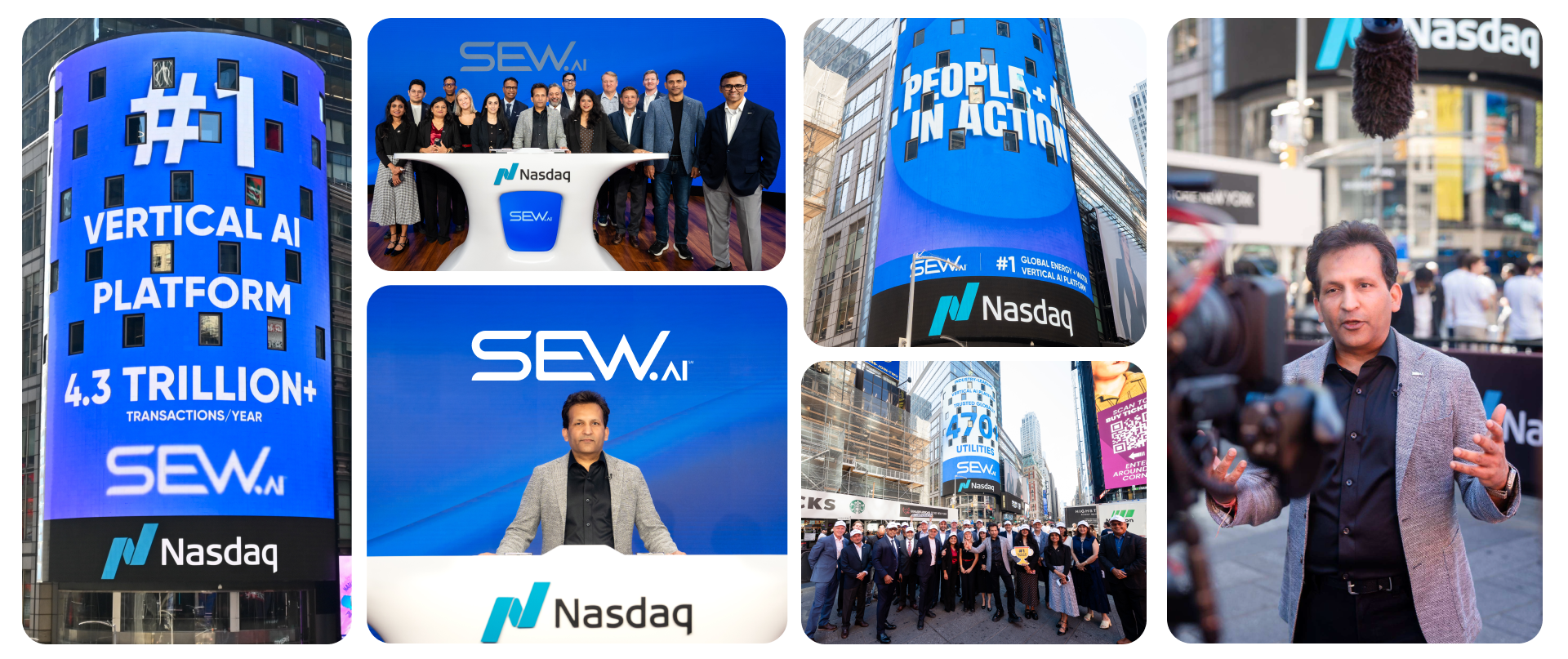
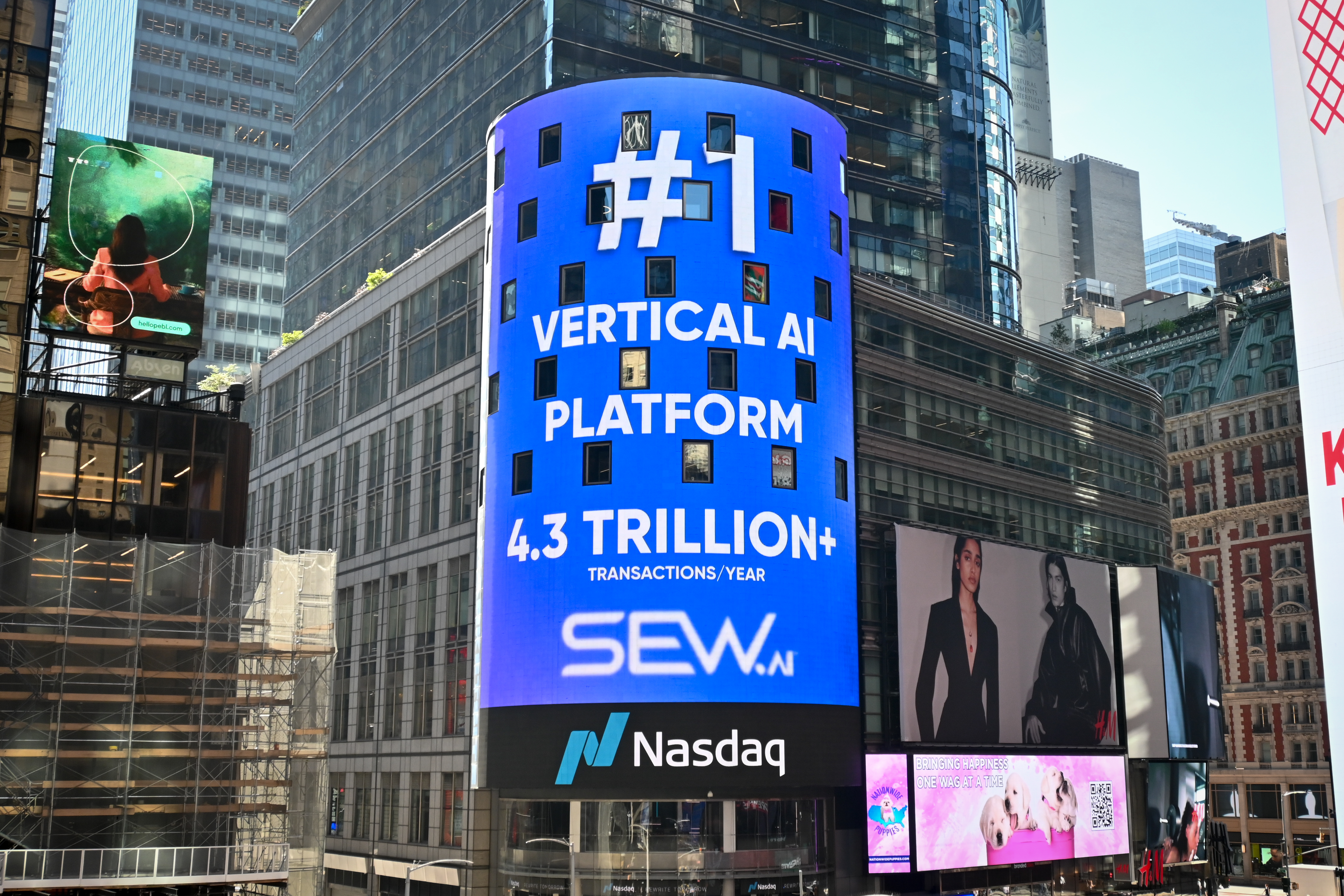
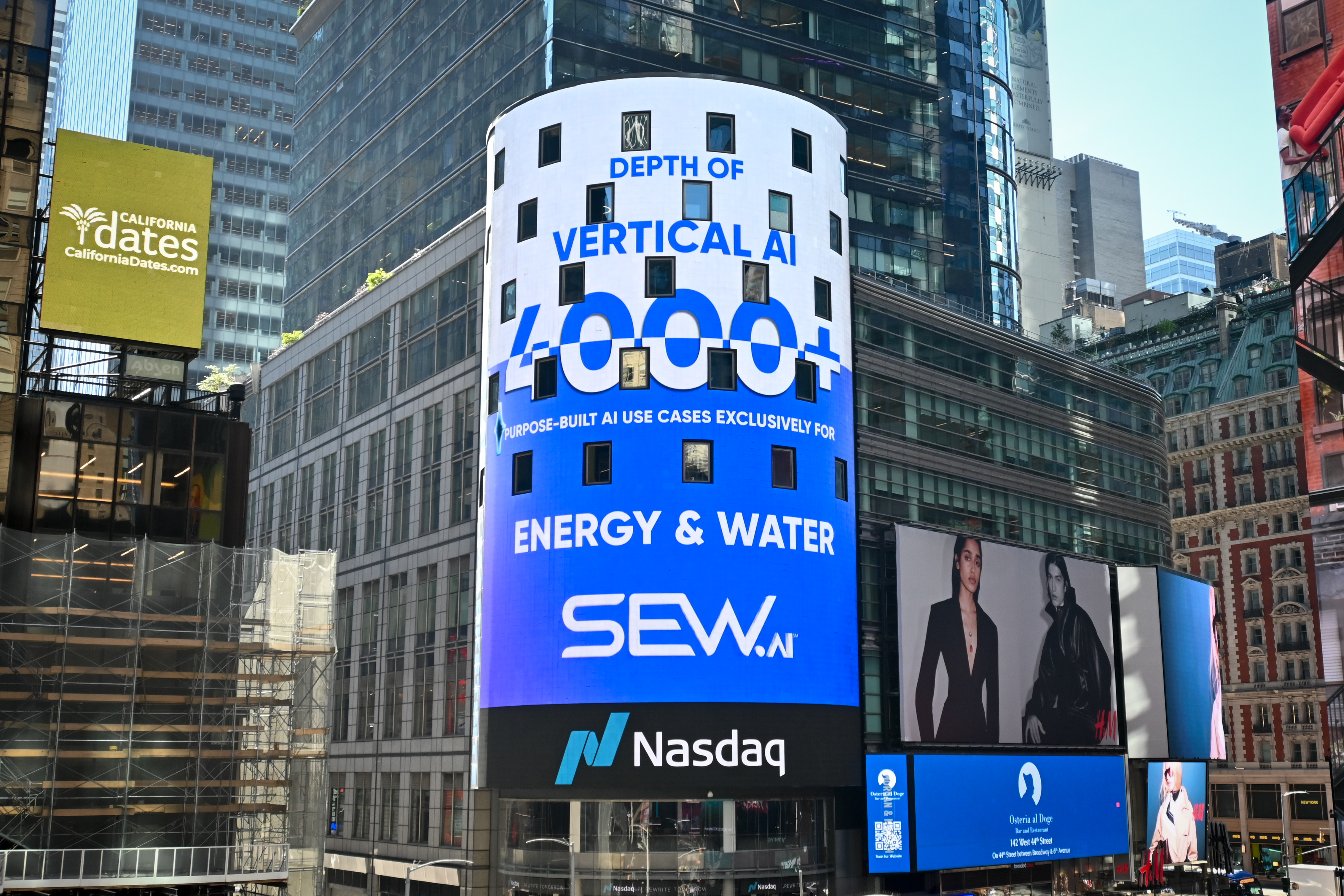
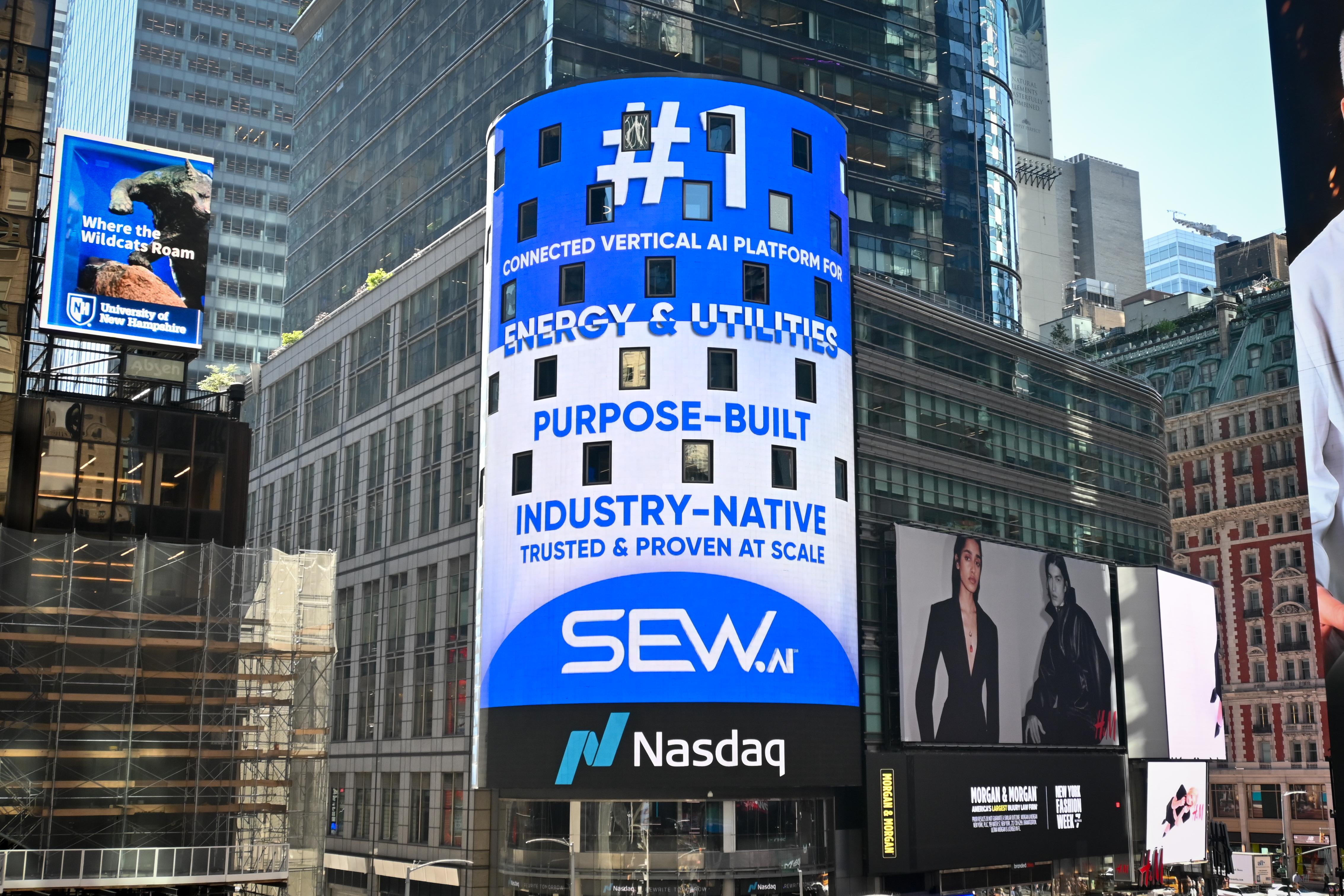
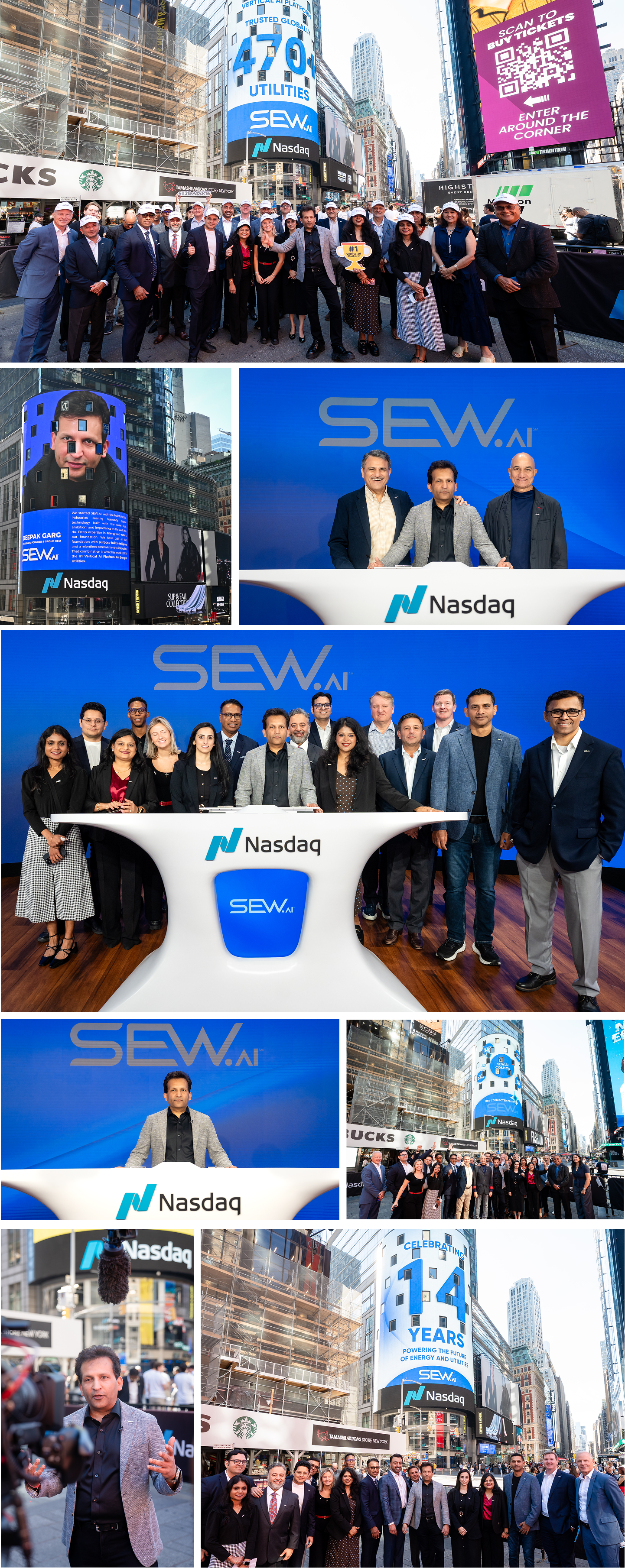
When I saw SEW.AI on the Nasdaq Tower in Times Square, I thought about where we started more than 15 years ago.
We were a small team with a big ambition: to build technology specifically for the energy + water industry, an industry that touches every part of modern life but operates with a level of complexity that few other industries face.
Seeing the SEW.AI on Nasdaq has been a proud moment. But for me, the more important question was what that moment says about where the industry is going.
Energy + water are entering a period where the old boundaries between parts of the utility are becoming harder to maintain.
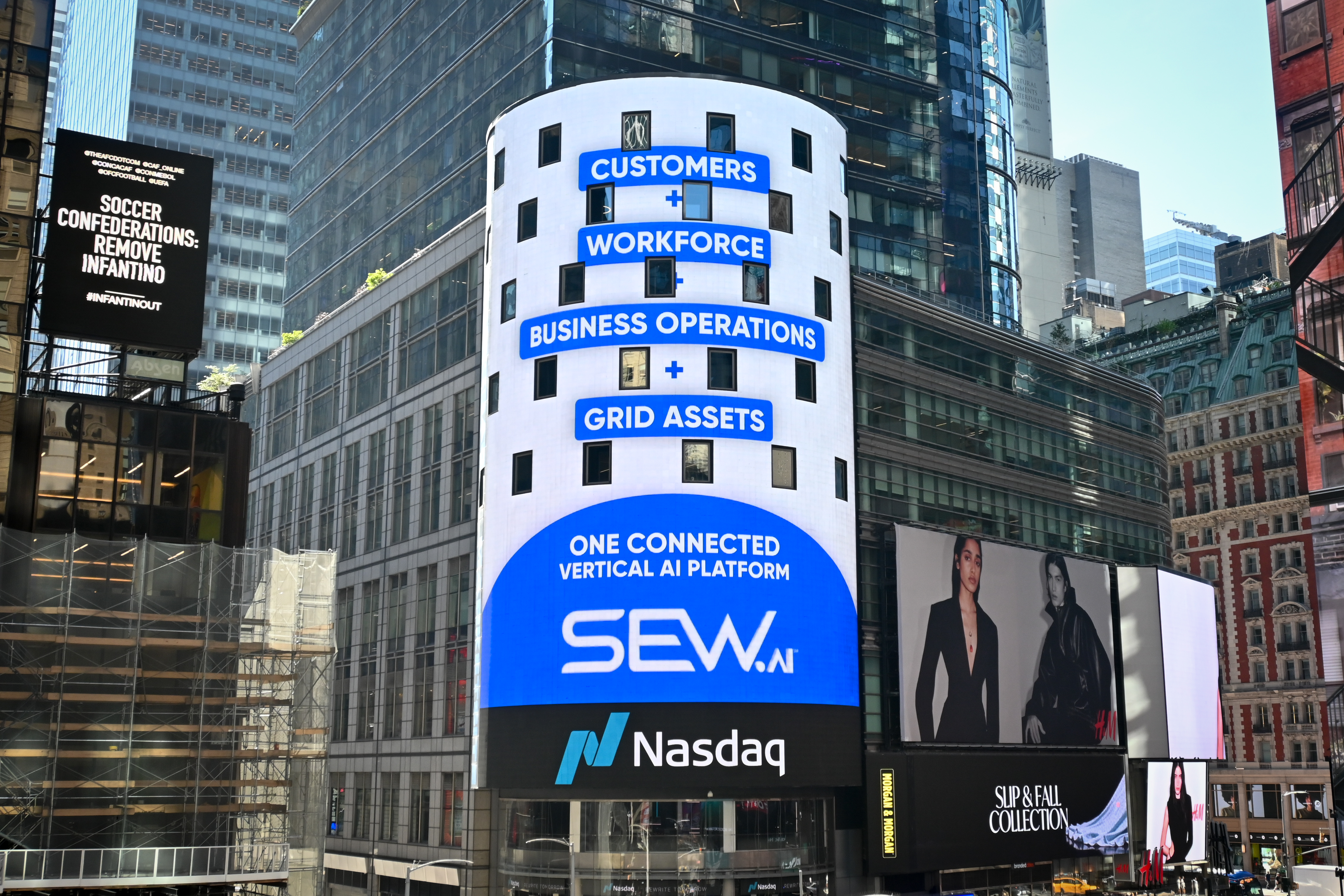
Customers influence demand. Distributed resources influence the grid. Weather affects assets and workforce requirements. Affordability affects customer behavior. Infrastructure decisions affect reliability. Workforce decisions affect how quickly the organization can respond.
Everything is becoming connected.
And that changes what we should expect from technology.
We Have Built the Vertical AI Digital Foundation
Utilities have spent decades investing in digital infrastructure. Smart meters, enterprise systems, GIS, sensors, CIS, field technologies and operational systems have created an enormous digital foundation and generated more information than the industry has ever had access to.
That investment was necessary. It has transformed how energy and utilities operate.
But much of that technology was designed around individual functions.
Customer systems know about customers. Asset systems know about assets. Workforce systems know about crews and work. Business systems know about financial and commercial activity.
The utility, however, has to make decisions across all of them.
A major weather event is not just an asset event. It can become a grid event, a workforce event, a customer event and a financial event at the same time. A change in customer demand can affect planning, assets and operations. An affordability challenge can influence customer behavior and ultimately affect the way a utility needs to engage and support that customer.
The information exists. The opportunity now is to make the relationships between that information usable.
This is where I believe Vertical AI changes the conversation.
The Next Step Is Not More Technology. It Is Intelligence Across the Industry
For years, digital transformation was largely about putting technology into individual parts of the business.
The next phase is about bringing intelligence, purpose-built for the intricacies of this industry across those parts.
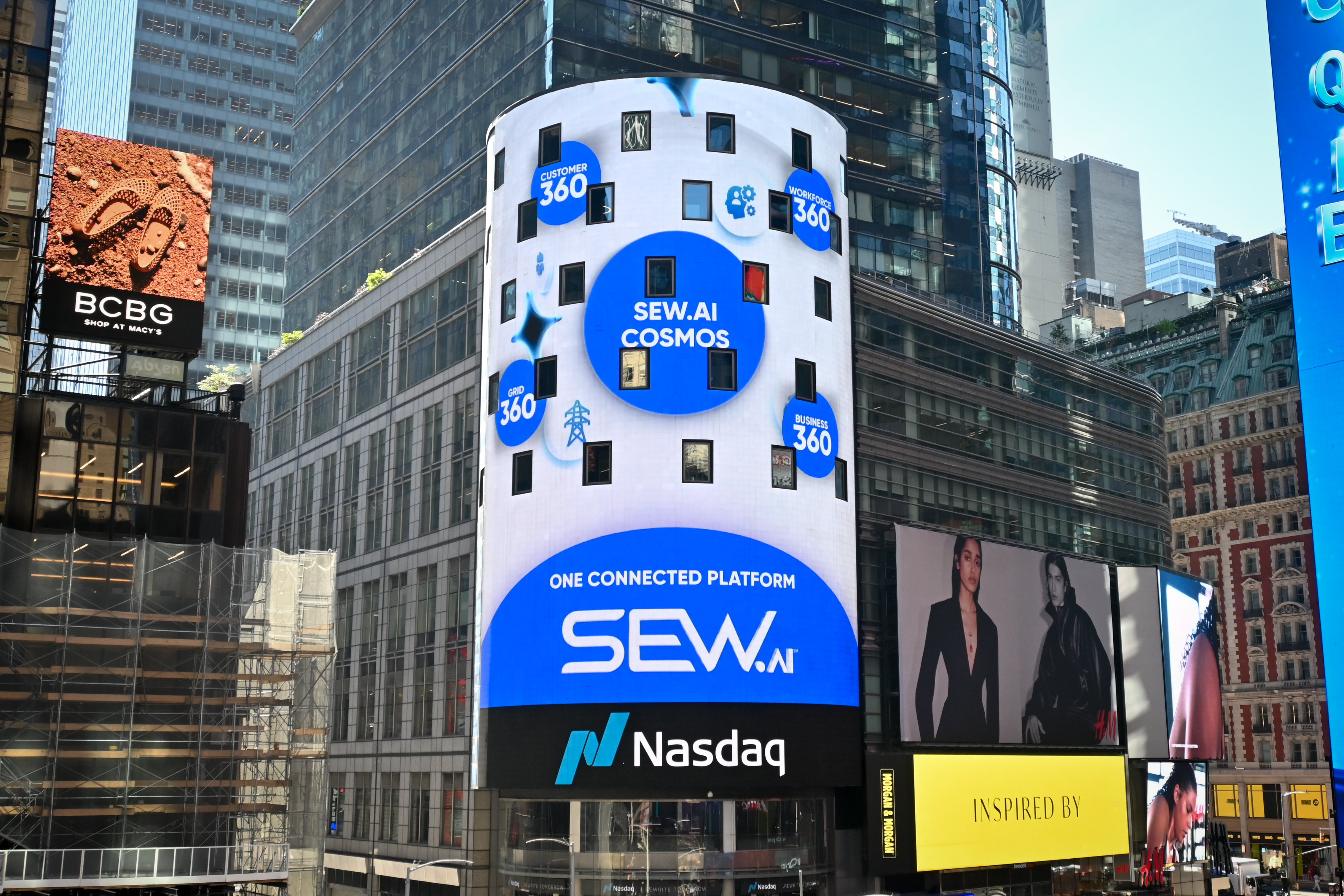
I increasingly think about the utility not as a collection of applications, but as an ecosystem of decisions involving four connected dimensions:
Customer 360
Understanding the customer beyond a single transaction, including needs, behavior, affordability, engagement and the different interactions a customer has with the utility.
Workforce 360
Connecting the people doing the work with the information, skills, assets, location, schedules and priorities they need to make better decisions in the field and across the organization.
Business 360
Bringing together the commercial, financial, regulatory and operational context that leaders need to understand performance, manage risk and make better business decisions.
Grid & Asset 360
Connecting information about infrastructure, assets, distributed resources, demand and operating conditions to improve visibility and support faster, more informed decisions.
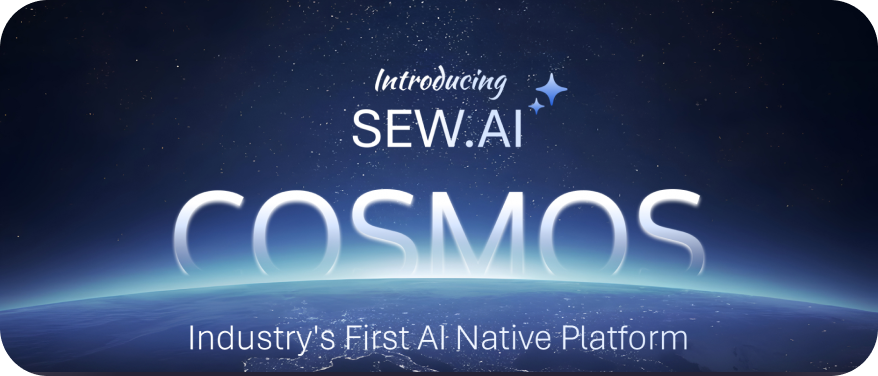
This is the connected intelligence needed to bring the modern utility together, and it is the foundation on which we built SEW.AI COSMOS.
Why Vertical AI Matters
This is also why I believe the conversation around AI needs to move beyond generic models and generic applications.
Energy + water are not generic industries.
They have specialized infrastructure, regulatory environments, processes, terminology and operating constraints. Decisions can have consequences that extend well beyond a digital transaction.
A utility needs AI that understands this context.
It needs intelligence that can work across the customer, workforce, business and grid, rather than treating each as an isolated problem.
That is the role I see for Vertical AI.
Vertical AI brings industry knowledge and operating context closer to the intelligence itself, allowing AI to become more relevant to the decisions people are actually making.
For SEW.AI, this has been the focus from the beginning. We did not start with AI and ask where it could be applied to utilities. We started with the industry, its problems and its people, and built from there.
The More Intelligent the System, the More Important People Become
There is a tendency to describe the future of AI in terms of autonomy.
I see it differently.
The people who run energy + water systems carry enormous institutional knowledge. Their expertise shapes reliability, resilience, customer experience and the safety of critical infrastructure. AI can help bring together information, identify patterns and surface recommendations at a speed that people cannot match on their own.
But the final value comes from combining that capability with human experience and judgment.
That is what People + Vertical AI means to me.
It is not people versus AI.
It is not about automating everything that can be automated.
It is about giving people better intelligence so they can make better decisions, respond faster and spend more of their time where their experience matters most.
What Energy and Utility Leaders Should Be Asking
As Vertical AI moves from experimentation toward becoming part of the operating model, I believe energy and utility leaders should be asking a few fundamental questions:
- Which decisions have the greatest impact on our customers, workforce and operations?
- Do we have the data and context required to make those decisions well?
- Can our systems work across organizational and functional boundaries?
- Where should AI augment human expertise, and where can it safely automate?
- How will we measure the value in terms of reliability, affordability, customer trust, workforce productivity and resilience?
These questions move the conversation away from AI as a technology project and toward Vertical AI as an organizational capability.
That is an important distinction.
A utility does not need more AI simply because AI is available.
It needs intelligence that solves meaningful problems, specifically with this industry context.
The Next Competitive Advantage
The industry has invested in the infrastructure, generated the data and connected more of its operations than ever before. The opportunity now is to use that foundation differently.
We can move from systems that tell us what happened to intelligence that helps us understand what it means.
We can move from isolated applications to connected decisions.
We can move from AI as another technology layer to Vertical AI that understands the industry in which it operates.
And we can move from thinking about automation alone to a model where People + Vertical AI work together to make the entire organization more capable.
When I look at SEW.AI today, working with more than 470 utilities across 47+ countries and helping connect and serve more than 1.6 billion people, I see both the progress and the responsibility that comes with it.
The Nasdaq spotlight was a recognition of the journey so far.
For me, it is also a reminder that the next journey is much bigger.
The opportunity is to help build utilities that can see across their ecosystem, understand what matters, make better decisions and act with greater speed and confidence.
That is what I believe the next era of intelligent energy + water will be about.
And we are only getting started.




 SEW.AI Assist